
Vulnerability Management
Scanning is a commodity. Running a program is not.
Every scanner sorts problems by severity, that's table stakes. What's rare is the discipline: daily scans, not quarterly. Tiers set with your team, not the vendor. Critical findings escalated the moment they're found.
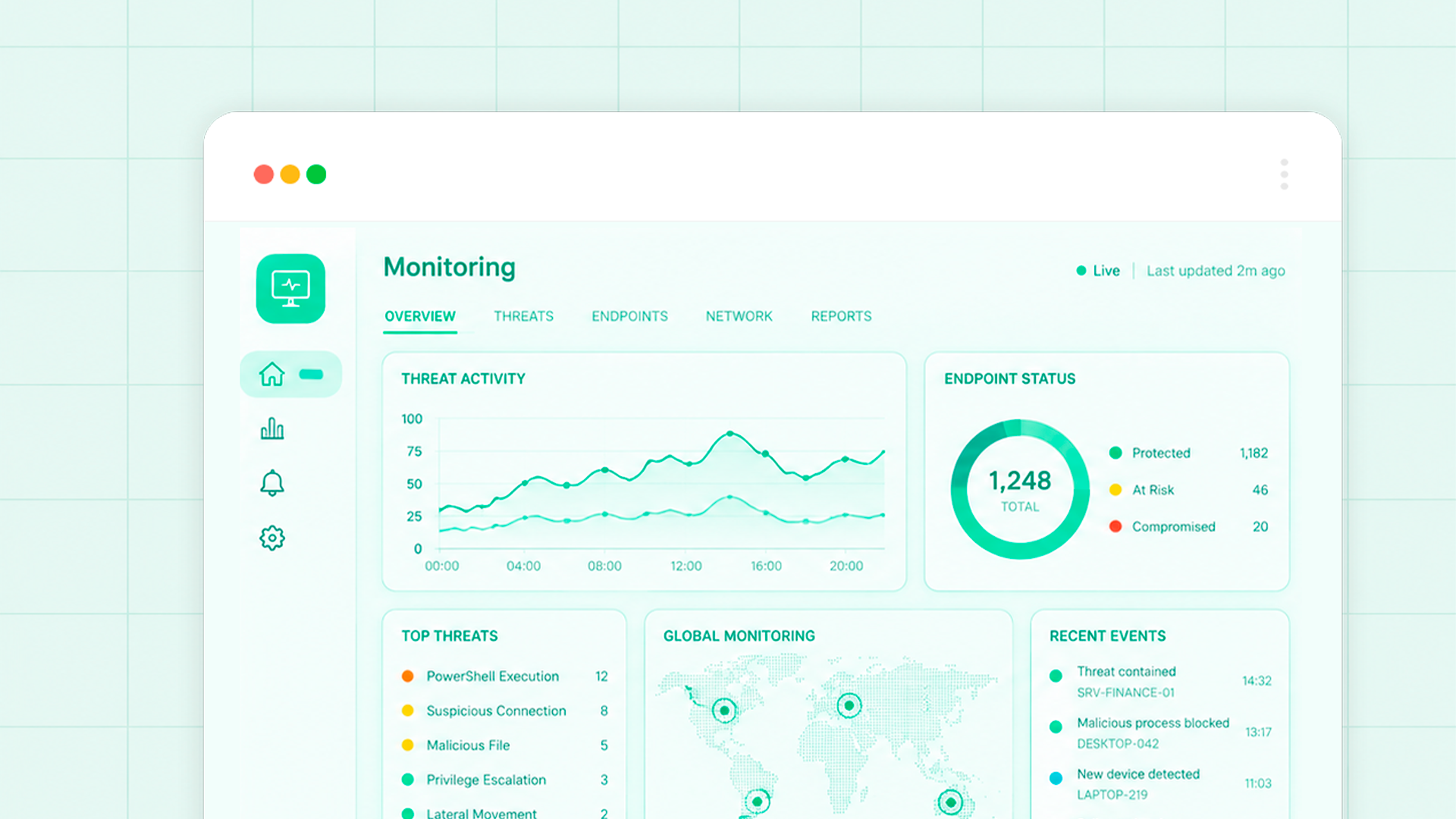
The platform
Real-risk prioritization exists.
Almost nobody runs it with discipline.

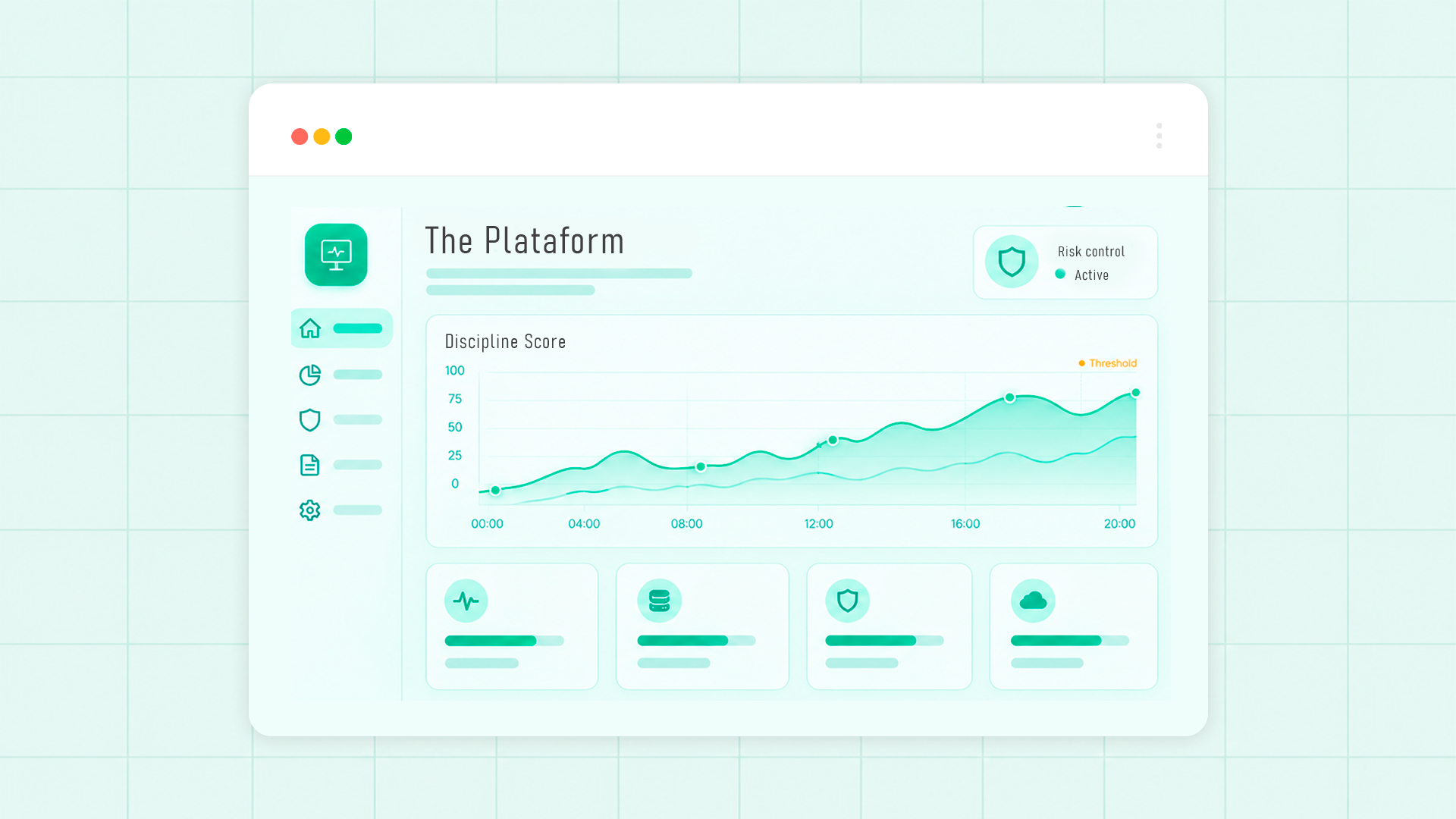

Exploit-based scoring is standard now. What matters is action: keeping tiers current, escalating findings immediately, and enforcing monthly accountability.
How it works
Scanning is the easy part. Discipline is
what makes it worth it.
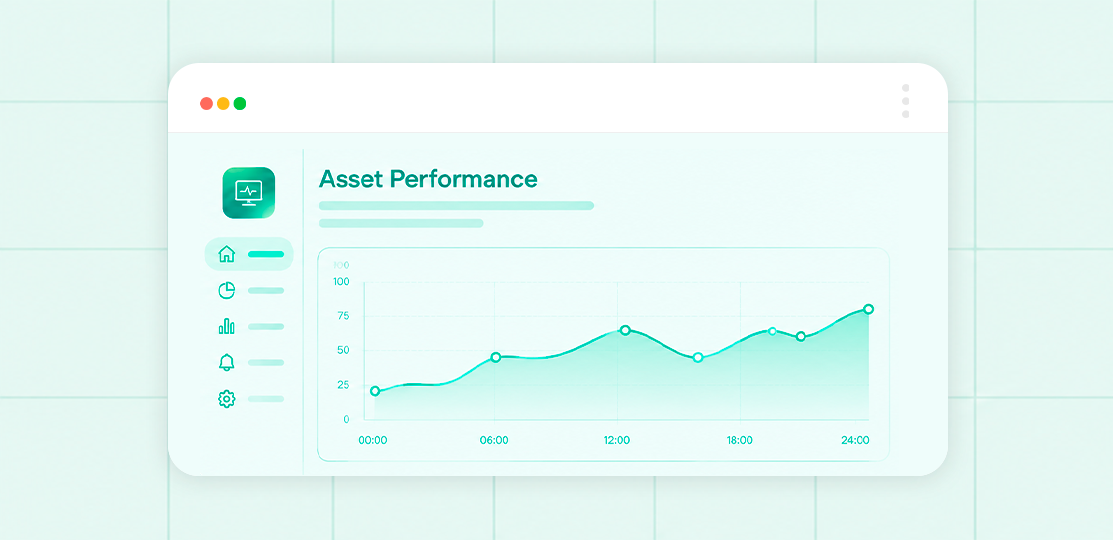
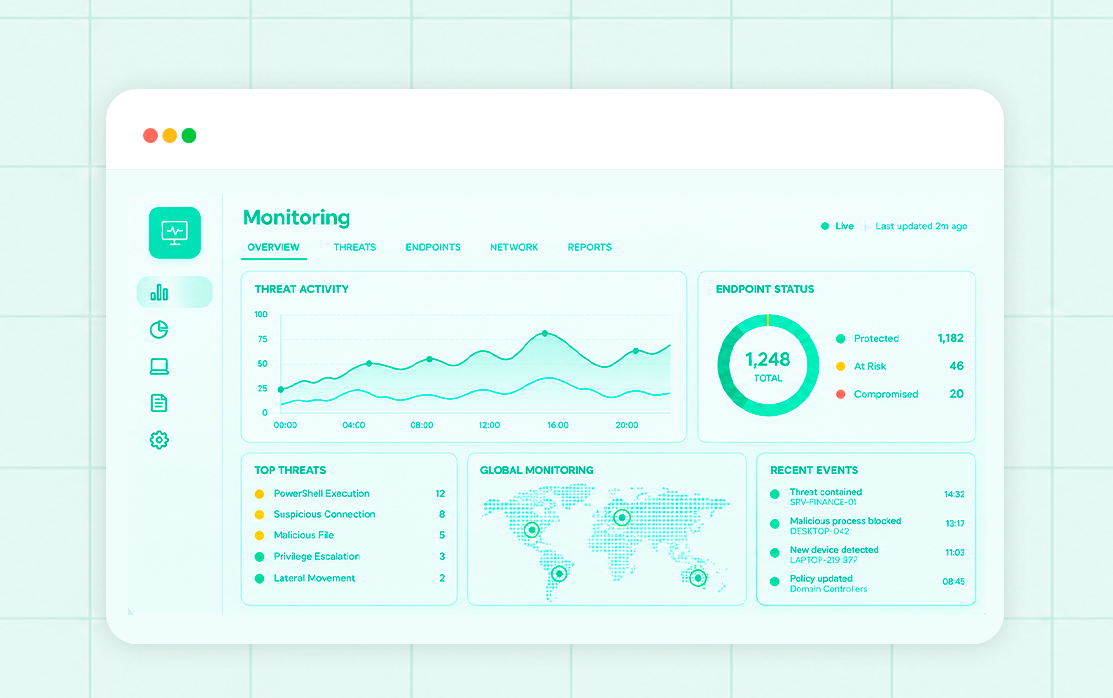
A structured launch that establishes scope, ownership, and the operating baseline.
1. Scope & Ownership
Confirm assets, stakeholders, escalation paths, and program outcomes.
2. Baseline Configuration
Deploy the platform and tune it to the realities of your environment.
3. Coverage Validation
Verify asset visibility, scanning coverage, and reporting accuracy.
4. Operating Cadence
Establish notifications, reviews, responsibilities, and documentation.
A continuous, closed-loop engine: daily scans, real-risk triage, and monthly TAM review.
1. Continuous Daily Scans
Every asset scanned daily across 100% of scope, run directly in SecPod Saner.
2. Risk-Based Triage
Findings scored against three factors: CVSS severity, real exploit activity, and asset criticality.
3. Critical Escalation
Critical and high-risk findings on key assets reach your team immediately, with fix guidance included.
4. Monthly TAM Review
Your TAM reviews risk trends, manages exceptions, and reports fine-tuning needs every month.
Why this matters
Running scans isn't a management
program. Here's the difference.
Know what to fix, not what's broken
CVSS alone is abstract. Real exploit data and asset criticality show what's actually at risk.
Critical findings reach you immediately
High-risk findings escalate straight to your team, no waiting for the monthly report.
Remediation is tracked, not assumed
Monthly reports show risk trend and progress. The program never resets.
Your SIEM gets smarter too
Unpatched CVEs get flagged to your SOC, not just logged as a line item.
One less vendor to manage
We're your operational link to SecPod. No tickets, no coordination.
How often are scans run?
Daily, across every in-scope asset. That's our standard, not something you have to upgrade to.
You'll also get a synthesized report and TAM review that actually makes use of what's found.
Do you handle patching and remediation?
No. We identify, triage, and prioritize vulnerabilities and provide remediation guidance.
Executing the remediation is your team's responsibility. Patching and configuration changes require access and change control decisions that sit with you.
How do you decide what to fix first?
We check every finding against three inputs: the CVSS severity score, whether a real-world exploit exists in current threat intelligence, and the criticality tier of the affected asset.
The result is a prioritized list ranked by what is most likely to be exploited in your environment.
What happens when a critical vulnerability is found?
High and critical findings on internet-facing or critical assets are escalated immediately to your designated security and IT contacts.
The escalation includes the vulnerability details, affected assets, severity, evidence where available, and recommended remediation guidance.
The finding does not wait for the monthly report.
How are our assets scoped and kept current?
An asset inventory and classification list is collected from you during onboarding and organized into criticality tiers.
As your environment changes, scope updates are managed through your TAM. Exclusions are documented with rationale and require your approval.
Got questions
Frequently asked
and answered

Book a 30 min call
Lorem ipsum dolor sit amet consectetur. Convallis non phasellus faucibus.